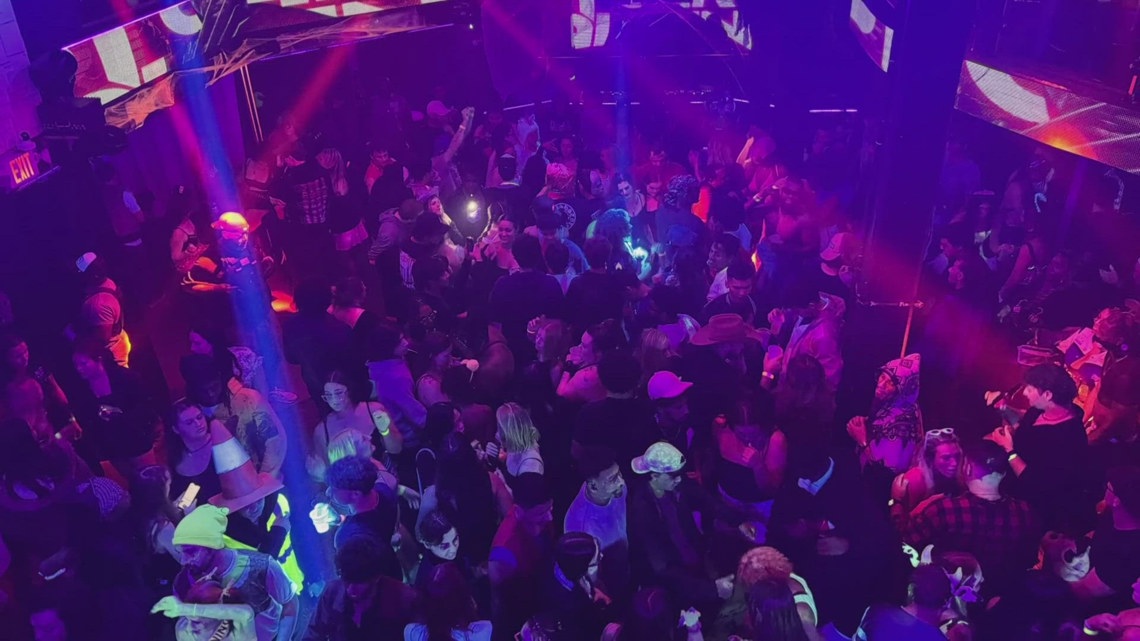
A historic nightclub in St. Louis, known for its long-standing presence in the local nightlife scene, is currently facing a critical challenge that could threaten its existence. The venue has been a staple for decades, attracting both locals and visitors with its vibrant atmosphere and live entertainment. However, recent licensing issues have put its future in jeopardy, prompting the owners and community members to rally in its defense.
The dispute began when city authorities initiated a review of the nightclub's licensing status, citing concerns over compliance with local regulations and safety standards. The nightclub's management contends that they have maintained proper procedures and have been a responsible establishment over the years. They argue that the licensing battle is unjustified and threaten to take legal action if necessary.
Community supporters and patrons have expressed their concern over the potential closure, emphasizing the venue's cultural significance and economic contribution to the neighborhood. Many have organized protests and campaigns to advocate for the nightclub's continued operation. Local officials have also weighed in, with some calling for a resolution that considers both regulatory compliance and the venue's historical importance.
The situation has garnered media attention, highlighting the broader issue of how cities balance regulation with preserving local traditions and businesses. The nightclub's owners are hopeful that negotiations will lead to a favorable outcome, allowing them to continue serving the community. Meanwhile, the case underscores the ongoing challenges faced by longstanding entertainment venues in adapting to modern regulatory environments while maintaining their legacy.
As the legal and administrative proceedings unfold, the future of this iconic St. Louis nightclub remains uncertain. Its fate will likely depend on the outcome of licensing negotiations and the community's support in safeguarding a cherished piece of local history. The venue's plight has sparked a broader conversation about the importance of supporting small businesses and cultural institutions amid regulatory pressures.